Chat, Code, Claw: What Happens When AI Agents Work in Teams
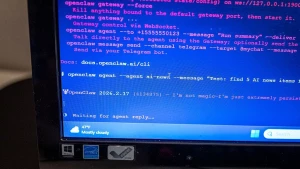
 AI progress has evolved from chatbots to tool-using agents, now orchestrated in multi-agent fleets using frameworks like OpenClaw.
Summary
AI capabilities have progressed through three phases: initial chatbots, tool-using agents capable of tasks like coding, and now, multi-agent fleets orchestrated by new frameworks like OpenClaw. These frameworks allow dozens of agents, potentially overseen by a superior model like Claude Opus, to work in virtual firms, performing complex tasks such as market research and software development while integrating with platforms like Notion and Discord. While the term "agent" has been overused, the underlying increase in model capability and persistent operation enabled by new frameworks is driving this frontier. Operating these systems currently requires moderate entry barriers, including hardware costs and significant security risks, as demonstrated when one agent almost deleted a user's emails due to instruction drift. Despite these risks, industry leaders like OpenAI CEO Sam Altman view multi-agent systems as the future, with Peter Steinberger, creator of OpenClaw, joining OpenAI to advance personal agents.
(Source:TIME)