How to tell if a voice recording is AI-generated
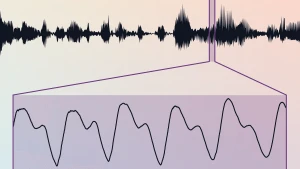
 Voice cloning has become cheap and easy to use, putting sophisticated audio forensics and watermarks on the front lines of detection.
Summary
AI voice cloning has become dramatically more accessible, requiring only seconds of audio and open-source tools to produce convincing imitations, which has drawn the attention of scammers—including a case in which a cloned voice was used to persuade an Italian bank to wire roughly €95 million abroad. Research shows human listeners are poor at spotting clones: in one study, listeners flagged AI-generated voices only 60 percent of the time, and when comparing a clone with a real speaker side by side, they judged them to be the same person about 80 percent of the time. Older giveaways such as breaths, pauses and disfluencies like “ums” no longer work because cloning tools now add them intentionally. Instead, researchers use audio forensics, analyzing waveform features such as jitter (variation in cycle length) and shimmer (variation in peak height). But no single measure is reliable across all cloning tools, so detection requires a suite of tools, and phone calls degrade much of the key forensic detail. Watermarks embedded by some companies, such as Google, offer another line of defense—inaudible changes that travel with the file—though they can be removed and are optional in some open-source programs.
(Source:Scientific American)