Has vibe coding made open source the new normal for synths?
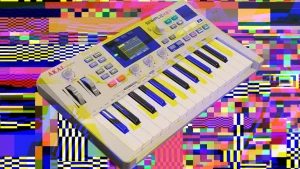
 Vibe coding is pushing synth companies to open source their gear, with inMusic, Behringer, and M-Vave embracing modders while Elektron resists.
Summary
The rise of powerful vibe-coding agents and tools like Reverse Engineer Anything has disrupted the music gear industry, forcing companies to respond to a wave of AI-assisted modifications. While some manufacturers remain silent, others are embracing the modding community by open-sourcing their devices. inMusic, parent company of Akai, Moog, and Native Instruments, plans to provide a toolbox including an SDK and open-source devices like the MPC Sample Key, while trying to maintain reliability for professionals. Behringer has announced several open-source products, including a $150 clone of the MPC One called Kick, though launch dates are unclear. M-Vave's FM-1, a $70 pocketable clone of the Yamaha DX7, became a hit due to its hackability, prompting the company to release open-source firmware and confirm an open-source successor, the FM-2. Erica Synths released the source code for its LXR-02 drum machine, with founder Ģirts Ozoliņš expressing skepticism about vibe coding's problem-solving but appreciating the sustainability benefits. Polyend open-sourced its Tracker grooveboxes after last year's Endless pedal allowed users to vibe-code effects. Elektron, however, banned links to custom firmware on its forums, citing risks of bricking devices and warranty issues, though CPO Christian Alsing acknowledged users' right to modify devices and defended the company against accusations of withholding features. Major manufacturers like Roland, Korg, Arturia, and Novation have not commented.
(Source:The Verge)