Musk v. Altman: Recapping Elon's Farcical Cross-Examination
 Elon Musk's cross-examination in the Musk v. Altman case was marked by evasiveness and inconsistencies, undermining his lawsuit's claims.
Summary
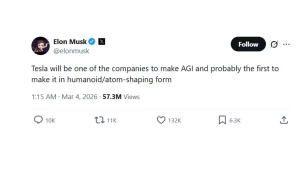
Elon Musk's testimony in the lawsuit against Sam Altman and OpenAI was characterized by evasiveness, contradictions, and a lack of preparation during his cross-examination by OpenAI's attorney, William Savitt. Musk initially framed the lawsuit in dire terms, warning of the destruction of charitable giving in America if he lost. However, under questioning, he quibbled, argued, and obfuscated, appearing not to have thoroughly considered the lawsuit he filed. The courtroom proceedings themselves were described as a circus, with early morning queues for limited seats and a minor incident involving photography. Musk's direct examination by his own attorney, Steven Molo, aimed to portray him as a key founder of OpenAI, highlighting early praise from co-founders. However, Musk's own testimony revealed he had discussed a for-profit subsidiary with a significant stake around 2017, which seemed to contradict his current objections to OpenAI's for-profit structure. During cross-examination, Savitt effectively highlighted inconsistencies in Musk's statements, including conflicting claims about Tesla's pursuit of AGI and the amount of money he contributed to OpenAI. Musk struggled to provide clear answers, often resorting to deflections and accusations that questions were designed to trick him. He also made several statements that elicited laughter and confusion, such as his vague recollections of relationships and his unfamiliarity with AI safety concepts. The article suggests that Musk's actions and rhetoric do not align with his apparent lack of engagement with OpenAI's business developments, especially considering he filed his lawsuit after launching his own AI ventures, xAI and Grok.
(Source:Hardresetmedia)