Can you trust Meta’s Muse or OpenAI’s Dots to run your life?
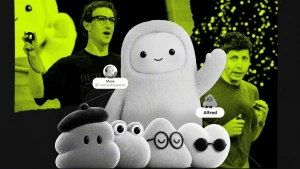
 A Decoder interview with Hayden Field compares Meta’s Muse and OpenAI’s Dots, weighing usefulness, trust, privacy, and business models.
Summary
In this Decoder interview, Nilay Patel speaks with The Verge senior AI reporter Hayden Field about the new wave of consumer AI agents, especially Meta’s Muse and OpenAI’s Dots. Both descend from the OpenClaw approach of wrapping a model in a harness that can use a browser and a cloud computer. Meta positions Muse as a free, mass-market consumer product with a cute mascot and deep distribution across Instagram, Facebook, and other Meta services, while OpenAI markets Dots as a paid, enterprise-friendly assistant and even offers specialist Dots for marketing, legal work, and accounting. Field says Dots currently seems somewhat more useful than Muse, but neither is consistently reliable enough to trust end-to-end. The conversation examines the privacy and security risks of giving agents access to email, credit cards, local disk data, and real-world tasks; Muse’s Facebook Marketplace mishap and aggressive data access are cited as cautionary examples. It also explores lock-in, the brittleness problem for consumers versus the persistence of business users, and Meta’s likely monetization through backend transaction fees or advertising. Field advises users to read permissions carefully, limit what they share, and watch how the products evolve before handing over sensitive data.
(Source:The Verge)