Muse sure looks a lot like OpenClaw
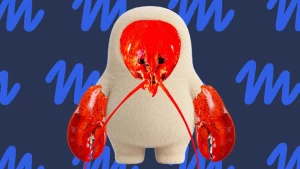
 Meta's Muse AI agent closely mirrors OpenClaw in design and features, raising questions about originality and security in the AI agent space.
Summary
The article examines the striking similarities between Meta's new consumer AI agent Muse and the open-source platform OpenClaw, amid a broader "AI agent renaissance." Despite Meta's claim that Muse was built "from scratch," users identified shared core file names (SOUL.md, memory, tools), overlapping personality documentation, and similar design elements. Nat Friedman, head of product for Meta's Superintelligence Labs, acknowledged Muse was "heavily inspired as a product" by OpenClaw, saying the team adopted certain elements because creator Peter Steinberger had gotten them "exactly right." Instinct, another AI agent platform raising funds at a $2.5 billion valuation, similarly mirrors OpenClaw's messaging-based interaction model and everyday assistant use cases.
The article traces OpenClaw's rapid rise — from a one-man weekend project to two million visitors and 100,000 GitHub stars in 10 months — which inspired major tech companies including OpenAI (which hired Steinberger), Google, Apple, and Meta to invest heavily in agentic AI. Security remains a critical concern: OpenClaw's skill repository contained malware and malicious instructions in roughly 15% of skills, while Muse claims better security through isolated VMs. However, a recent zero-day vulnerability allows full agent hijacking, Meta can still access user data (with a promise to fix this later), and Muse defaults to allowing Meta to train models with user data.
Ultimately, the article argues that Muse and Instinct's most significant contribution is making AI agents more broadly accessible through integration with Meta's ecosystem and Apple's messaging tools, lowering friction and costs compared to competing products like Google's Spark. The Verge's previous coverage noted OpenClaw was seen as a "grassroots crusade" against industry consolidation — but now, major AI companies are putting up a fight.
(Source:The Verge)