Benn Jordan on Flock, privacy, and the new surveillance backlash
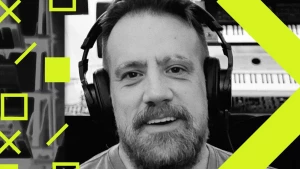
 Benn Jordan discusses his investigative work on Flock Safety's license plate reader network and the growing bipartisan backlash against surveillance.
Summary
In this Decoder interview, musician, YouTuber, and investigator Benn Jordan talks with Nilay Patel about his work exposing Flock Safety, the maker of automatic license plate readers (ALPRs). Jordan explains how Flock built a private nationwide network of cameras that lets police departments share and search license plate data across the country with 30 days of retention and no warrant required, bypassing the traditional warrant process through the National Crime Information Center. He describes finding serious security vulnerabilities, including missing multi-factor authentication, open administrative interfaces, plain-text credentials, and hardware flaws that let attackers root the cameras, as well as Flock credentials sold on the dark web. This reporting, along with grassroots activism at local city council meetings, has led hundreds of local governments to cancel contracts, prompted a Senate Judiciary subcommittee hearing chaired by Republican Josh Hawley, and reportedly pushed Flock to cut about 18 percent of its workforce. Jordan argues that Flock is only the loudest and most defensive player, while competitors like Axon and Motorola quietly build similar private networks, and that the real problem is the relationship between private industry, government, and law enforcement that prioritizes secrecy over transparency. He also debunks the claim that cameras eliminate crime, pointing to crime relocation effects, and warns that surveillance overreach fuels conspiracy theories and even violence against executives. He advocates for transparency through immutable audit logs, opt-out options at the DMV, independent security audits, and locally negotiated, warrant-based compromises. He concludes by discussing the difficulty of maintaining journalistic ethics and nuance while working with a company he investigates, and his hope of steering the debate toward practical solutions rather than outrage.
(Source:The Verge)